 PlasteringWall and ceiling plastering and skimming, from a single room to a full renovation.See Plastering →
Home / Services / Artex Removal
Artex Removal and Overboarding
Artex overboarding and removal, and replastering of cracked or damaged ceilings.
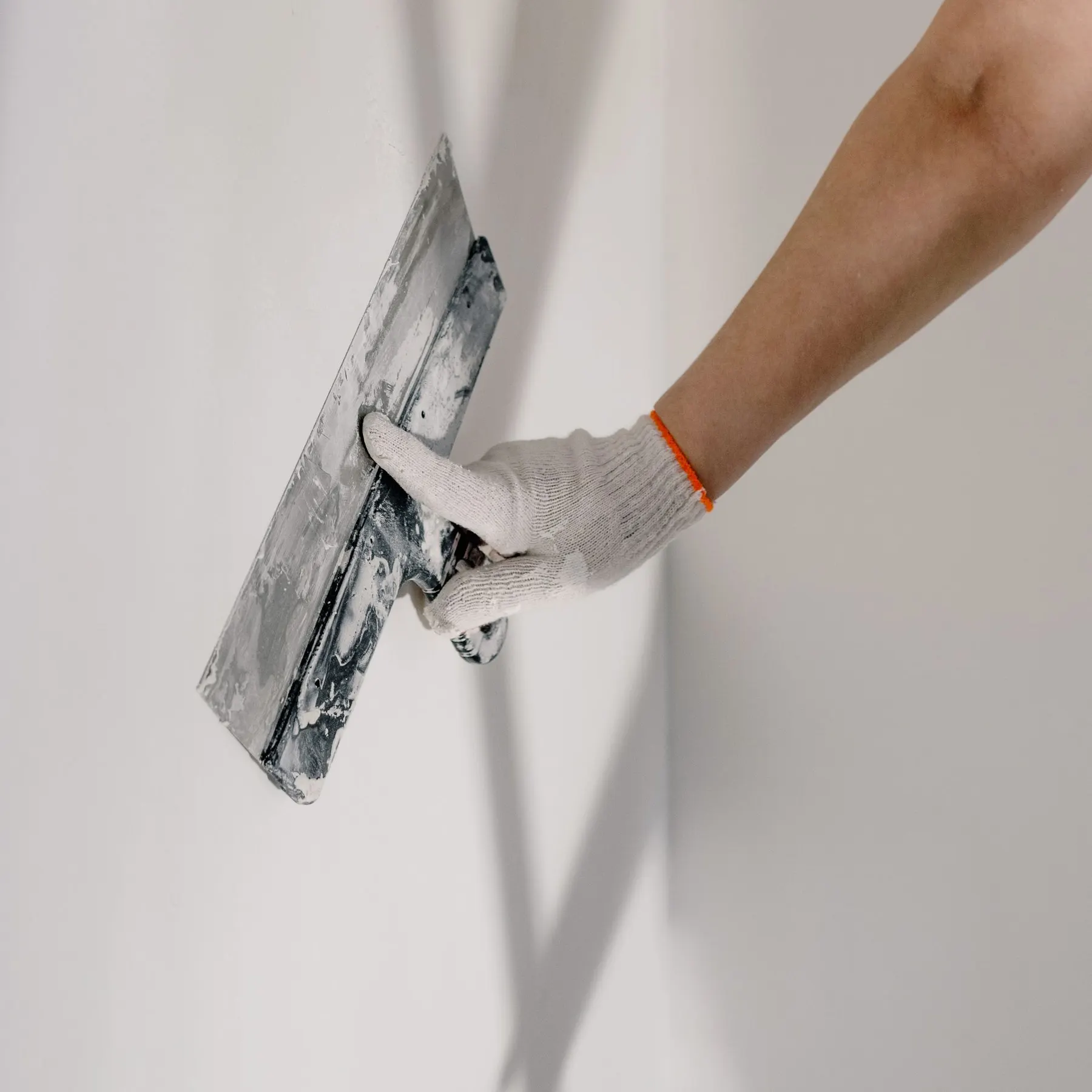
What we do on a artex removal job
Artex overboarding and removal, and replastering of cracked or damaged ceilings.
- Interior and exterior plastering and rendering under one roof
- Specialist finishes alongside standard skim and render work
- Straightforward, no-obligation quotes
- Work planned around the property, not a one-size job
- Covering Bradford and the surrounding towns
What a artex removal job involves
- What Artex Removal Involves
- Asbestos Risk in Artex
- Survey, Testing and Initial Inspection
- Safe Removal Methods and Controls
- Waste Disposal and Site Clean-Up
- Costs and Quote Factors
Artex ceilings were fitted in enormous numbers of British homes from the 1970s through to the 1990s, and a lot of it is still up there today, usually looking dated, sometimes cracked, and often disliked by whoever’s now decorating around it. Dealing with it properly starts with one question that has to come before anything else: could it contain asbestos.
The asbestos question, addressed properly
Some artex coatings and textured ceiling products made before white asbestos was banned from such uses in the UK in 1999 contain small amounts of it, bound into the material. Not every artex ceiling does, and there’s no way to tell just by looking. The only responsible approach is to have a sample tested by an accredited laboratory before any sanding, scraping, drilling or removal takes place, since disturbing asbestos-containing material is what creates a health risk, not simply having it on the ceiling in an undisturbed state.
Multi Skim Plastering does not hold an asbestos removal licence and does not carry out licensed asbestos removal work. Where testing confirms asbestos is present, that removal has to be handled by a licensed asbestos specialist, following the relevant health and safety regulations. This isn’t a technicality. It’s the law, and it’s there for good reason.
What happens once a ceiling is known to be safe
Where testing confirms no asbestos is present, or once a licensed specialist has removed asbestos-containing material and cleared the area, the ceiling can be worked on in the normal way. That generally means one of two approaches: removing the remaining artex texture and replastering the ceiling to a smooth finish, or overboarding, which means fixing new plasterboard directly over the existing surface and avoiding the need to disturb it at all, provided the structure can take the additional weight.
Removal versus overboarding
Removal gives a completely fresh surface and can be the better option where a ceiling also has other problems, like sagging or damage that boarding over wouldn’t solve. Overboarding is quicker in many cases and avoids disturbing what’s underneath, which is one reason it’s often the preferred route on a ceiling that’s already been tested and confirmed safe, or where asbestos has already been professionally cleared.
What to expect
Whichever route is right for a particular ceiling, expect the room to be cleared and protected, some dust from boarding and finishing work, and a drying period once new plaster goes on. The safety step, meaning testing and bringing in a licensed specialist if needed, always comes first and shouldn’t be skipped to save time.
Coverage
Artex overboarding, removal and replastering are carried out across Bradford and the surrounding towns, always with the asbestos question addressed properly before any ceiling work begins.
Our work
Artex Removal and more, finished
A run of recent finishes across Bradford and the surrounding towns. Click any tile to open it full size.
Related services
Often booked alongside artex removal
PlasteringWall and ceiling plastering and skimming, from a single room to a full renovation.See Plastering → RenderingExternal rendering to protect and refresh the outside of a property, in a finish to suit the building.See Rendering →
Artex Removal: advice & guides
Straight answers on artex removal, from the team that does the work.
guides
Is It Safe to Remove Artex Ceilings?
What to know about the asbestos risk in older artex ceilings, how testing works, and when the job needs a licensed asbestos specialist rather than a plasterer.
Questions
Artex Removal: common questions
Can artex contain asbestos?
Some artex products made before 1999, when white asbestos was banned from use in such products in the UK, can contain it. Not all artex does, and the only reliable way to know is to have a sample tested by a suitably accredited laboratory before any sanding, scraping or removal work begins.
Do you remove asbestos yourself?
No. Multi Skim Plastering does not hold a licence to remove asbestos and does not carry out asbestos removal. If a ceiling is tested and asbestos is confirmed, that removal work needs to be carried out by a licensed asbestos specialist, in line with the relevant regulations.
What can you do if my ceiling turns out to contain asbestos?
Once a licensed specialist has safely removed the asbestos-containing material and confirmed the area is clear, Multi Skim Plastering can carry out the plastering, boarding or finishing work needed to bring the ceiling back to a smooth, decorated surface.
What's the difference between removing artex and overboarding it?
Removing artex strips the textured coating back to the original ceiling surface, which usually involves more disturbance of the material. Overboarding fixes a new layer of plasterboard directly over the top, which can avoid disturbing the old artex at all, provided it's left undisturbed underneath and the ceiling structure can support the extra weight.
Is overboarding a safer option than scraping artex off?
Overboarding is often preferred precisely because it avoids sanding or scraping the existing surface, which is the kind of disturbance that can release fibres if asbestos happens to be present. It still needs the ceiling checked for other issues, like structural condition, before going ahead.
How do I get artex tested for asbestos?
A small sample is taken and sent to a UKAS-accredited testing laboratory, which is the standard, reliable way to confirm whether asbestos is present before deciding how to proceed with any ceiling work.
Need artex removal priced?
Send a few details and we'll come back to you with a straightforward price. No obligation, no pressure.
Get your artex removal job priced today.
Google4.9 from 30 reviews
- Free, no-obligation quotes
- Interior and exterior work by the same team
- Dust sheets down, site left clean every day
- Covering Bradford and the surrounding towns
Opening hours
Mon to Fri 8am to 5pm, Sat 8am to 1pmSubmitting this form is secure. We will never share your details with anyone else.
Coverage
Areas we cover
Roughly a 20-mile radius around Bradford, across West Yorkshire and the surrounding towns. Just outside? Get in touch and we will check availability.
Bradford
Shipley
Saltaire
Pudsey
Baildon
Queensbury
Wilsden
Cleckheaton
Bingley
Yeadon
Horsforth
Guiseley
Brighouse
Liversedge
Halifax
Heckmondwike
Rastrick
Morley
Batley
Burley in Wharfedale
Keighley
Otley
Leeds
Elland
Haworth
Mirfield
Dewsbury
Sowerby Bridge
Chapel Allerton
Ilkley
Huddersfield
Ossett
Lofthouse
Silsden
Horbury
Cross Hills
Glusburn
Wakefield
Meltham Mills
Meltham
Clayton West
Todmorden
New Mill
Garforth
Kippax
Skipton
Harrogate
Castleford
Darton
Colne
Littleborough
Wetherby
Featherstone
Royston
Boston Spa
Nelson
Wardle
Knaresborough
Penistone
Pontefract
Bacup
Milnrow
Burnley
Dodworth
Barnoldswick
Brierfield
Whitworth
Saddleworth
Uppermill
Bradford
Shipley
Saltaire
Pudsey
Baildon
Queensbury
Wilsden
Cleckheaton
Bingley
Yeadon
Horsforth
Guiseley
Brighouse
Liversedge
Halifax
Heckmondwike
Rastrick
Morley
Batley
Burley in Wharfedale
Keighley
Otley
Leeds
Elland
Haworth
Mirfield
Dewsbury
Sowerby Bridge
Chapel Allerton
Ilkley
Huddersfield
Ossett
Lofthouse
Silsden
Horbury
Cross Hills
Glusburn
Wakefield
Meltham Mills
Meltham
Clayton West
Todmorden
New Mill
Garforth
Kippax
Skipton
Harrogate
Castleford
Darton
Colne
Littleborough
Wetherby
Featherstone
Royston
Boston Spa
Nelson
Wardle
Knaresborough
Penistone
Pontefract
Bacup
Milnrow
Burnley
Dodworth
Barnoldswick
Brierfield
Whitworth
Saddleworth
Uppermill