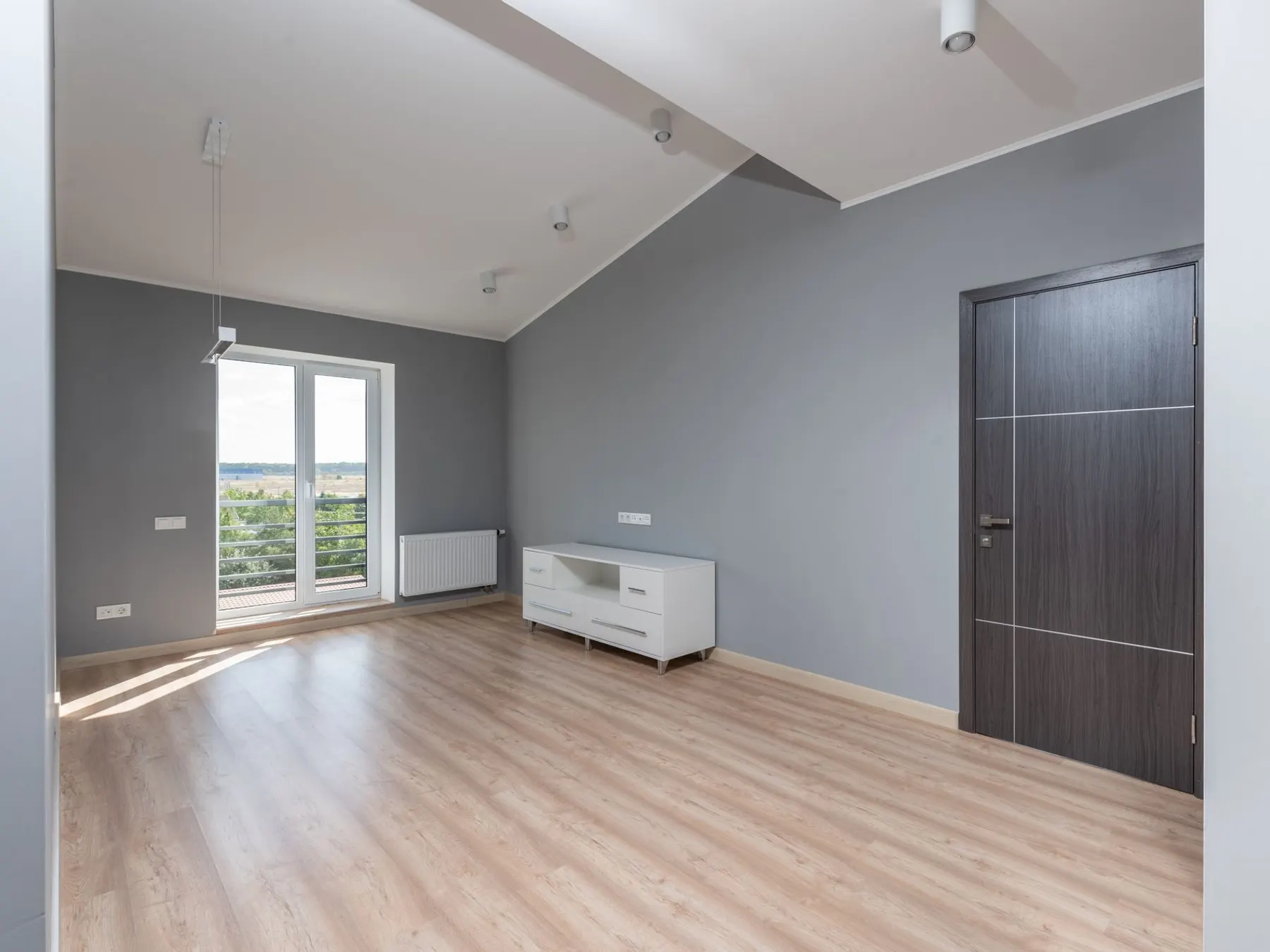
 PlasteringWall and ceiling plastering and skimming, from a single room to a full renovation.See Plastering →
Home / Services / Floor Screeding
Floor Screeding
Traditional and liquid floor screeding, including screed for underfloor heating.
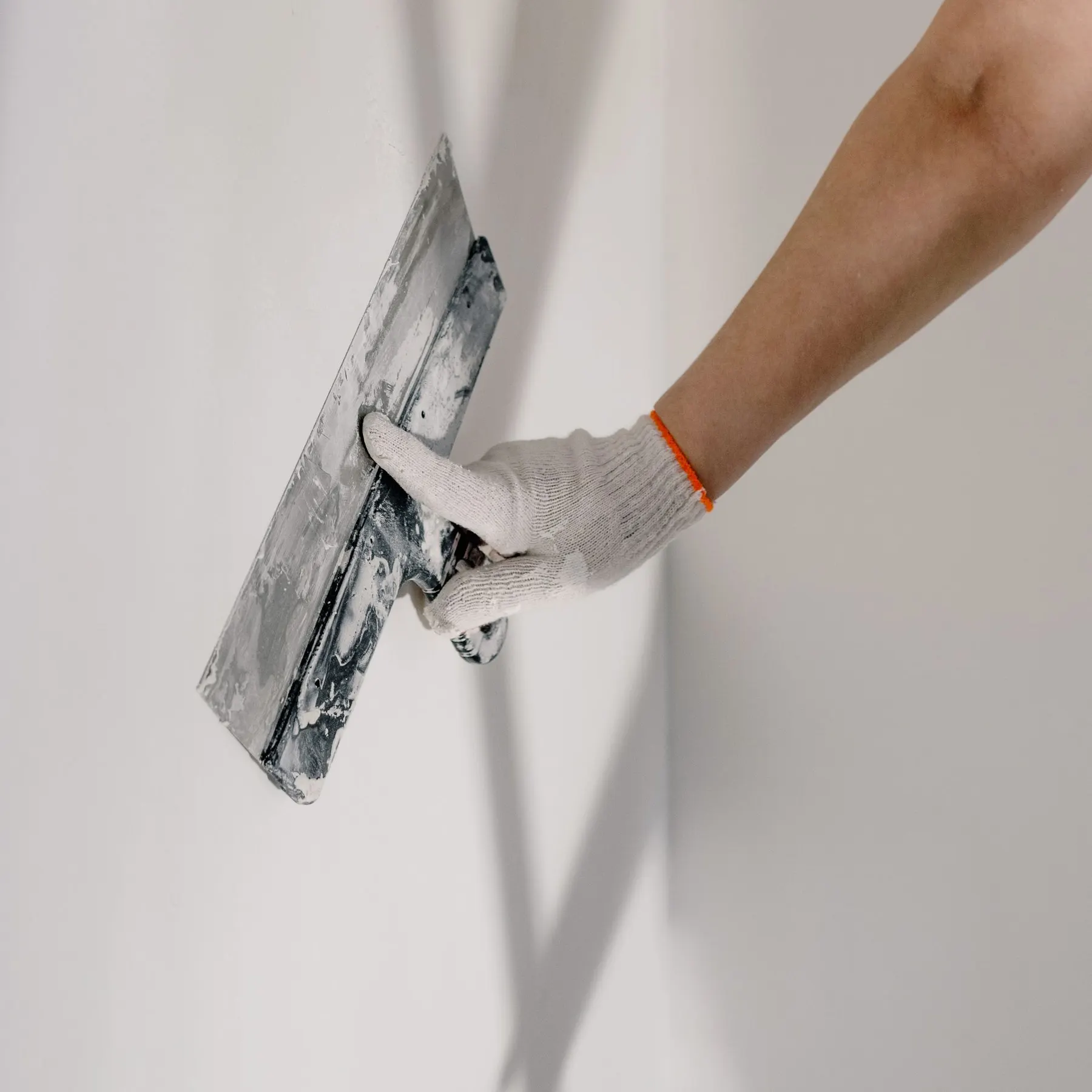
What we do on a floor screeding job
Traditional and liquid floor screeding, including screed for underfloor heating.
- Interior and exterior plastering and rendering under one roof
- Specialist finishes alongside standard skim and render work
- Straightforward, no-obligation quotes
- Work planned around the property, not a one-size job
- Covering Bradford and the surrounding towns
What a floor screeding job involves
- What Floor Screeding Does
- Liquid Screed and Traditional Screed Options
- Screed for Underfloor Heating
- Floor Preparation and Levelling
- Commercial and Domestic Screeding
- Fast-Drying and Self-Levelling Systems
A finished floor is only as flat and level as the screed underneath it. Whether it’s a new extension, a renovated ground floor, or a room getting underfloor heating for the first time, screeding provides the level, load-bearing surface that final flooring actually sits on, whether that’s tile, wood, carpet or vinyl.
Traditional versus liquid screed
Traditional screed is a semi-dry sand and cement mix, laid by hand and levelled using screed rails or a laser level to get an accurate finish. It’s a well-proven method that suits most domestic floors and has been the standard approach for decades. Liquid screed is a flowing, pumped product that self-levels once poured, giving a very flat surface with less reliance on manual levelling skill. Most liquid screeds are calcium sulphate based, though cement-based versions also exist. Liquid screed has become the go-to choice for underfloor heating because it flows tightly around and beneath the heating pipes, reducing air pockets that would otherwise reduce heating efficiency.
Which one suits a job depends on the floor area, whether underfloor heating is involved, the loading the floor will take, and how quickly the space needs to be ready for the next trade.
How the job typically runs
Before screed goes down, the sub-floor needs to be sound, clean and, in most cases, insulated below if it’s a ground floor build-up. A damp-proof membrane is typically laid first where required, along with edge insulation strips to allow for expansion. Traditional screed is then mixed and laid in bays, tamped and levelled by hand. Liquid screed is pumped in from a mixing unit, usually via a hose run into the property, and spreads itself across the floor area, needing only light finishing to get it level at doorways and edges.
What to expect
Screed needs proper time to cure before it can be walked on, and considerably more time before it’s dry enough for certain floor finishes to be laid on top. Rushing this stage is one of the most common causes of problems with flooring later on. Ventilation and temperature both affect drying speed, so timelines can vary between a summer job and a cold, damp winter one. It’s normal for a room to be out of use for a stretch after screeding, so this is usually planned around the rest of a renovation programme rather than left to the end.
Coverage
Floor screeding, including screed suitable for underfloor heating, is carried out across Bradford and the surrounding towns, for extensions, renovations and new-build floors alike. A site visit helps confirm the right screed type before a free quote is given.
Our work
Floor Screeding and more, finished
A run of recent finishes across Bradford and the surrounding towns. Click any tile to open it full size.
Related services
Often booked alongside floor screeding
PlasteringWall and ceiling plastering and skimming, from a single room to a full renovation.See Plastering → RenderingExternal rendering to protect and refresh the outside of a property, in a finish to suit the building.See Rendering →
Questions
Floor Screeding: common questions
What's the difference between traditional and liquid screed?
Traditional screed is a sand and cement mix laid and levelled by hand, using a stiffer consistency. Liquid screed, often calcium sulphate or flowing cement-based, is pumped in and self-levels across the floor, which can give a flatter, more consistent finish, particularly over larger areas.
Is liquid screed better for underfloor heating?
Liquid screed is widely used with underfloor heating because it flows tightly around the pipework, leaving fewer air gaps and giving good, even heat transfer. Traditional screed can also be used over underfloor heating, but it requires more careful hand compaction around the pipes.
How thick does a screed floor need to be?
Screed depth depends on whether it's bonded, unbonded, floating, or laid over underfloor heating pipework, and each of those has different minimum depth requirements. It's specified for the particular floor build-up rather than a single standard figure.
How long before a screed floor can be walked on or have flooring laid?
Screed needs time to cure before it can take foot traffic and considerably longer before certain floor coverings can go down, and this varies by screed type and thickness. Moisture testing before laying flooring is the reliable way to know it's ready, rather than guessing based on days elapsed.
Can floor screed be laid over an existing concrete floor?
Yes, screed is commonly laid over an existing concrete slab, either bonded to it or as a floating layer with insulation beneath, depending on what the floor needs to achieve.
Does floor screeding work in an extension or new-build room?
Yes, screeding is a standard part of finishing floors in extensions and new-build spaces, and it's often the stage where underfloor heating pipework gets embedded before final flooring goes down.
Need floor screeding priced?
Send a few details and we'll come back to you with a straightforward price. No obligation, no pressure.
Get your floor screeding job priced today.
Google4.9 from 30 reviews
- Free, no-obligation quotes
- Interior and exterior work by the same team
- Dust sheets down, site left clean every day
- Covering Bradford and the surrounding towns
Opening hours
Mon to Fri 8am to 5pm, Sat 8am to 1pmSubmitting this form is secure. We will never share your details with anyone else.
Coverage
Areas we cover
Roughly a 20-mile radius around Bradford, across West Yorkshire and the surrounding towns. Just outside? Get in touch and we will check availability.
Bradford
Shipley
Saltaire
Pudsey
Baildon
Queensbury
Wilsden
Cleckheaton
Bingley
Yeadon
Horsforth
Guiseley
Brighouse
Liversedge
Halifax
Heckmondwike
Rastrick
Morley
Batley
Burley in Wharfedale
Keighley
Otley
Leeds
Elland
Haworth
Mirfield
Dewsbury
Sowerby Bridge
Chapel Allerton
Ilkley
Huddersfield
Ossett
Lofthouse
Silsden
Horbury
Cross Hills
Glusburn
Wakefield
Meltham Mills
Meltham
Clayton West
Todmorden
New Mill
Garforth
Kippax
Skipton
Harrogate
Castleford
Darton
Colne
Littleborough
Wetherby
Featherstone
Royston
Boston Spa
Nelson
Wardle
Knaresborough
Penistone
Pontefract
Bacup
Milnrow
Burnley
Dodworth
Barnoldswick
Brierfield
Whitworth
Saddleworth
Uppermill
Bradford
Shipley
Saltaire
Pudsey
Baildon
Queensbury
Wilsden
Cleckheaton
Bingley
Yeadon
Horsforth
Guiseley
Brighouse
Liversedge
Halifax
Heckmondwike
Rastrick
Morley
Batley
Burley in Wharfedale
Keighley
Otley
Leeds
Elland
Haworth
Mirfield
Dewsbury
Sowerby Bridge
Chapel Allerton
Ilkley
Huddersfield
Ossett
Lofthouse
Silsden
Horbury
Cross Hills
Glusburn
Wakefield
Meltham Mills
Meltham
Clayton West
Todmorden
New Mill
Garforth
Kippax
Skipton
Harrogate
Castleford
Darton
Colne
Littleborough
Wetherby
Featherstone
Royston
Boston Spa
Nelson
Wardle
Knaresborough
Penistone
Pontefract
Bacup
Milnrow
Burnley
Dodworth
Barnoldswick
Brierfield
Whitworth
Saddleworth
Uppermill