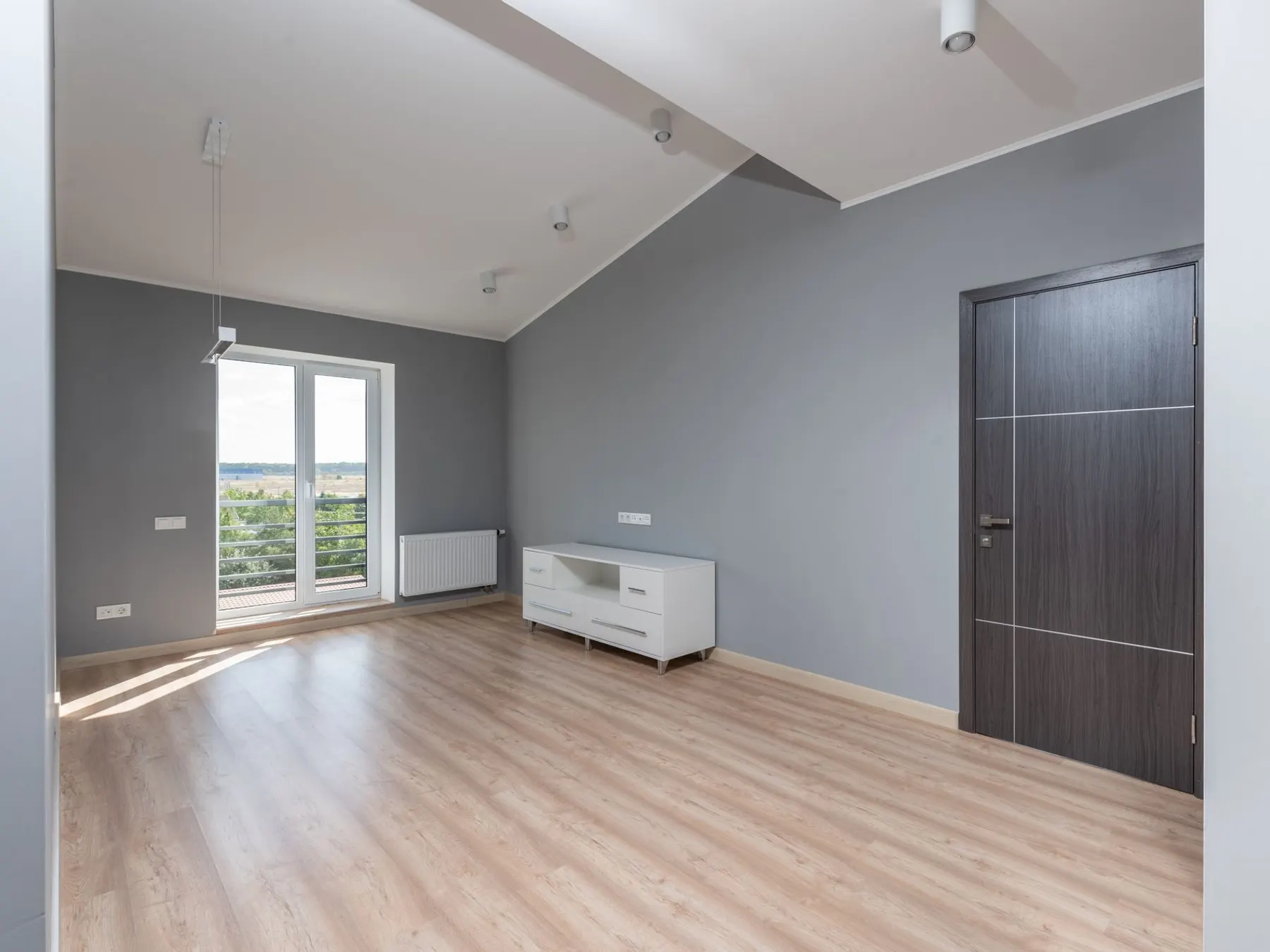
 PlasteringWall and ceiling plastering and skimming, from a single room to a full renovation.See Plastering →
Home / Services / Drylining Walls
Drylining Walls and Ceilings
Plasterboard drylining to walls and ceilings, the true base for a flawless skim.
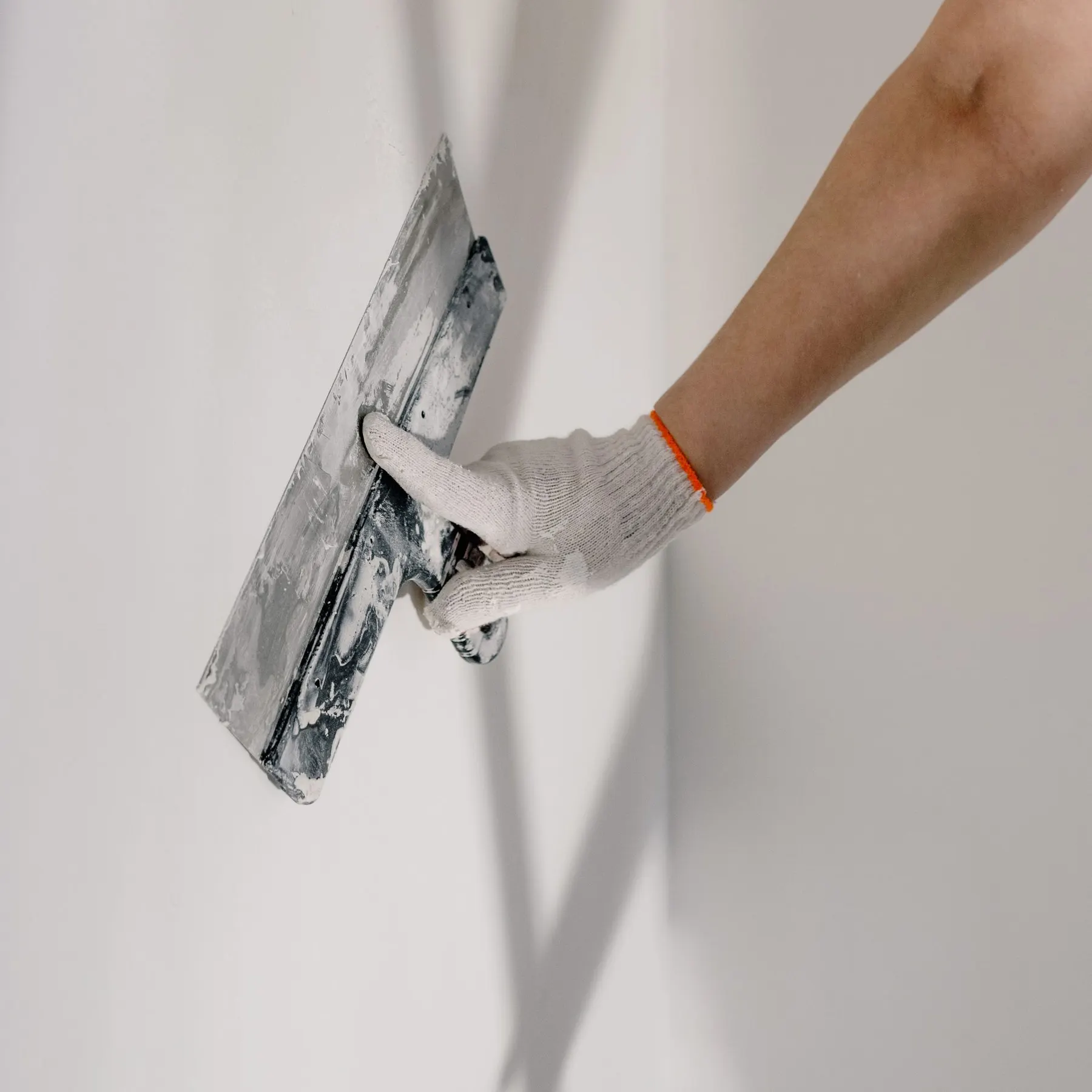
What we do on a drylining walls job
Plasterboard drylining to walls and ceilings, the true base for a flawless skim.
- Interior and exterior plastering and rendering under one roof
- Specialist finishes alongside standard skim and render work
- Straightforward, no-obligation quotes
- Work planned around the property, not a one-size job
- Covering Bradford and the surrounding towns
What a drylining walls job involves
- Drylining Systems & Internal Wall Linings
- Metal Stud Partitions & Stud Wall Construction
- Suspended Ceilings & Ceiling Systems
- Plasterboard Fixing, Dot and Dab & Drywall Installation
- Fire-Rated, Acoustic & Thermal Upgrades
- Tape and Jointing, Skimming & Plaster Finishes
Before a wall or ceiling gets its smooth, finished skim, something has to provide the flat surface underneath. On a lot of jobs, that’s plasterboard rather than wet plaster built up in layers, a process known as drylining. It’s quicker to install than traditional wet plastering, dries faster, and gives a reliably flat base to work from.
What drylining involves
Plasterboard sheets are fixed either directly to a masonry wall using adhesive dabs, or onto a timber or metal stud frame, depending on the wall type and whether insulation or services need to run behind it. Ceilings are drylined by fixing boards to the joists above or to a suspended grid where the ceiling needs to be lowered or levelled. Once the boards are up, the joints between sheets are taped and filled to stop cracks appearing along the seams later, and screw heads are filled flush.
Choosing the right board matters. Standard boards suit most rooms, but bathrooms, kitchens and other damp areas usually need a moisture-resistant board, and some jobs call for fire-rated or acoustic board depending on what the wall needs to do.
How the job typically runs
On a masonry wall, drylining with adhesive dabs means the boards are fixed straight onto the brick or block once it’s checked for level and squareness. Where a stud frame is being built first, for instance to add insulation, run cables, or straighten a badly out-of-true wall, the frame goes up before the boards. Ceilings usually take longer per square metre than walls, since boards are heavier to handle overhead and need proper support until fixed. Once everything is up and jointed, the surface is typically skimmed for a fully smooth finish, though some jobs are left with a taped-and-filled finish only, depending on the specification.
What to expect
Drylining is a drier, dustier job in terms of cutting boards and sanding joints, but it doesn’t carry the same lengthy drying-out period as wet plastering built up in multiple coats. Rooms still need to be cleared and protected, and it’s worth flagging anything that needs to run behind the boards, such as sockets, pipework or extra insulation, before boards go up, since that’s far easier to plan for in advance than to add afterwards.
Coverage
Drylining work is carried out across Bradford and the surrounding towns, on everything from single-room refurbishments to full house strip-outs. Get in touch for a free, no-obligation quote once you know roughly what the room needs.
Our work
Drylining Walls and more, finished
A run of recent finishes across Bradford and the surrounding towns. Click any tile to open it full size.
Related services
Often booked alongside drylining walls
PlasteringWall and ceiling plastering and skimming, from a single room to a full renovation.See Plastering →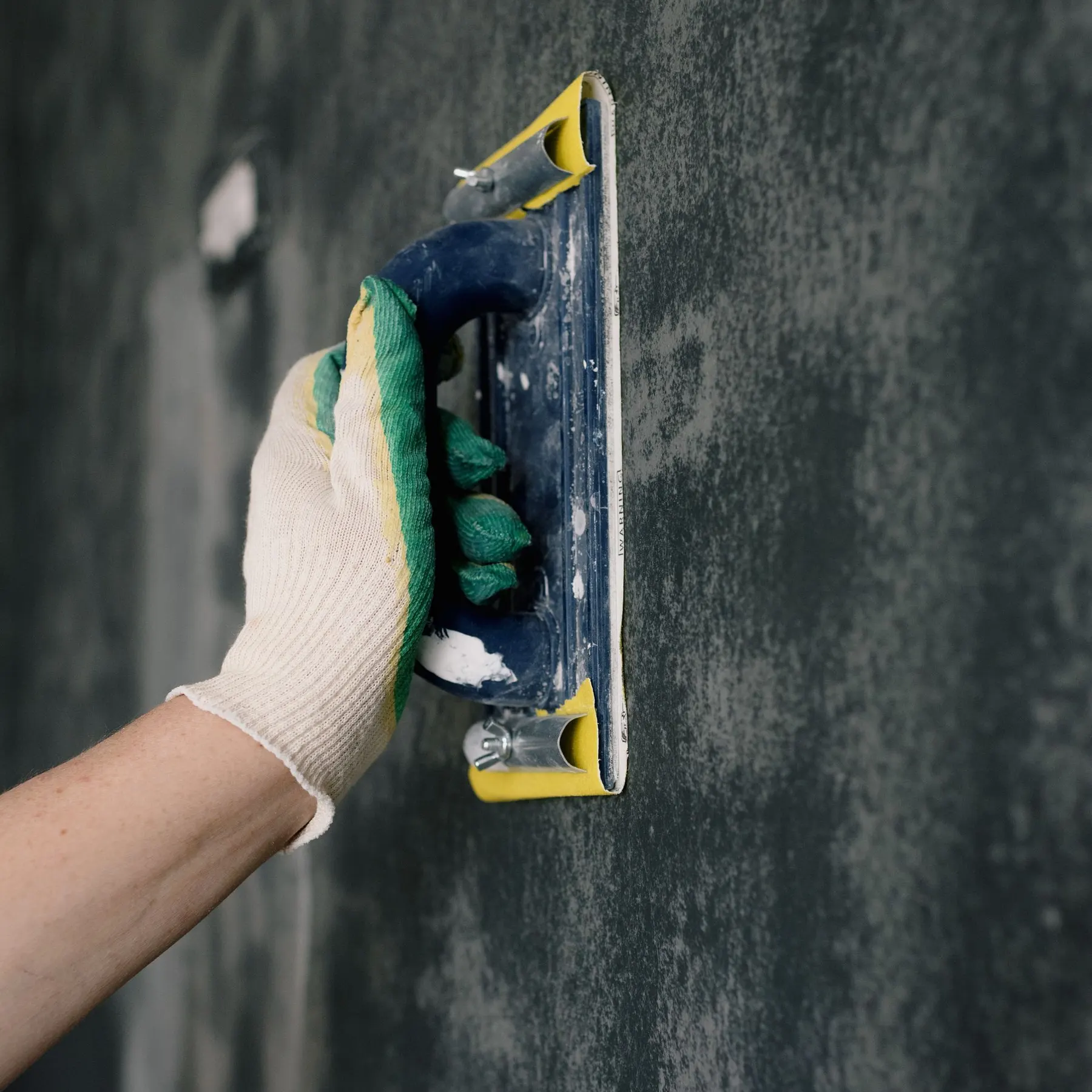 RenderingExternal rendering to protect and refresh the outside of a property, in a finish to suit the building.See Rendering →
Questions
Drylining Walls: common questions
What's the difference between drylining and plastering?
Drylining is the process of fixing plasterboard to walls and ceilings, either directly or onto a timber or metal frame. Plastering, or skimming, is usually the finish coat applied over the top of that board to give a smooth surface.
Why would a wall be drylined instead of plastered directly onto brick?
Drylining is faster to dry than a traditional wet plaster wall, gives a consistent flat surface to skim, and can incorporate insulation between the board and the wall, which is useful on solid-wall or uneven older properties.
Can drylining be used to hide an uneven old wall?
Yes, drylining on a timber or metal frame can span across an uneven masonry wall and provide a flat surface to finish, which is often easier than trying to build up a very uneven wall with wet plaster alone.
Does drylining include insulation?
It can. Insulated plasterboard, or a stud frame with insulation between the studs and the board, is a common way to improve a wall's thermal performance while drylining.
How is drylining finished once the boards are up?
Joints between boards are taped and filled, and the whole surface is usually then skimmed to give a smooth finish with no board lines showing, ready for decoration.
Is drylining suitable for ceilings as well as walls?
Yes, plasterboard ceilings are drylined in the same way as walls, fixed to the joists or a suspended grid, then jointed and skimmed.
Need drylining walls priced?
Send a few details and we'll come back to you with a straightforward price. No obligation, no pressure.
Get your drylining walls job priced today.
Google4.9 from 30 reviews
- Free, no-obligation quotes
- Interior and exterior work by the same team
- Dust sheets down, site left clean every day
- Covering Bradford and the surrounding towns
Opening hours
Mon to Fri 8am to 5pm, Sat 8am to 1pmSubmitting this form is secure. We will never share your details with anyone else.
Coverage
Areas we cover
Roughly a 20-mile radius around Bradford, across West Yorkshire and the surrounding towns. Just outside? Get in touch and we will check availability.
Bradford
Shipley
Saltaire
Pudsey
Baildon
Queensbury
Wilsden
Cleckheaton
Bingley
Yeadon
Horsforth
Guiseley
Brighouse
Liversedge
Halifax
Heckmondwike
Rastrick
Morley
Batley
Burley in Wharfedale
Keighley
Otley
Leeds
Elland
Haworth
Mirfield
Dewsbury
Sowerby Bridge
Chapel Allerton
Ilkley
Huddersfield
Ossett
Lofthouse
Silsden
Horbury
Cross Hills
Glusburn
Wakefield
Meltham Mills
Meltham
Clayton West
Todmorden
New Mill
Garforth
Kippax
Skipton
Harrogate
Castleford
Darton
Colne
Littleborough
Wetherby
Featherstone
Royston
Boston Spa
Nelson
Wardle
Knaresborough
Penistone
Pontefract
Bacup
Milnrow
Burnley
Dodworth
Barnoldswick
Brierfield
Whitworth
Saddleworth
Uppermill
Bradford
Shipley
Saltaire
Pudsey
Baildon
Queensbury
Wilsden
Cleckheaton
Bingley
Yeadon
Horsforth
Guiseley
Brighouse
Liversedge
Halifax
Heckmondwike
Rastrick
Morley
Batley
Burley in Wharfedale
Keighley
Otley
Leeds
Elland
Haworth
Mirfield
Dewsbury
Sowerby Bridge
Chapel Allerton
Ilkley
Huddersfield
Ossett
Lofthouse
Silsden
Horbury
Cross Hills
Glusburn
Wakefield
Meltham Mills
Meltham
Clayton West
Todmorden
New Mill
Garforth
Kippax
Skipton
Harrogate
Castleford
Darton
Colne
Littleborough
Wetherby
Featherstone
Royston
Boston Spa
Nelson
Wardle
Knaresborough
Penistone
Pontefract
Bacup
Milnrow
Burnley
Dodworth
Barnoldswick
Brierfield
Whitworth
Saddleworth
Uppermill