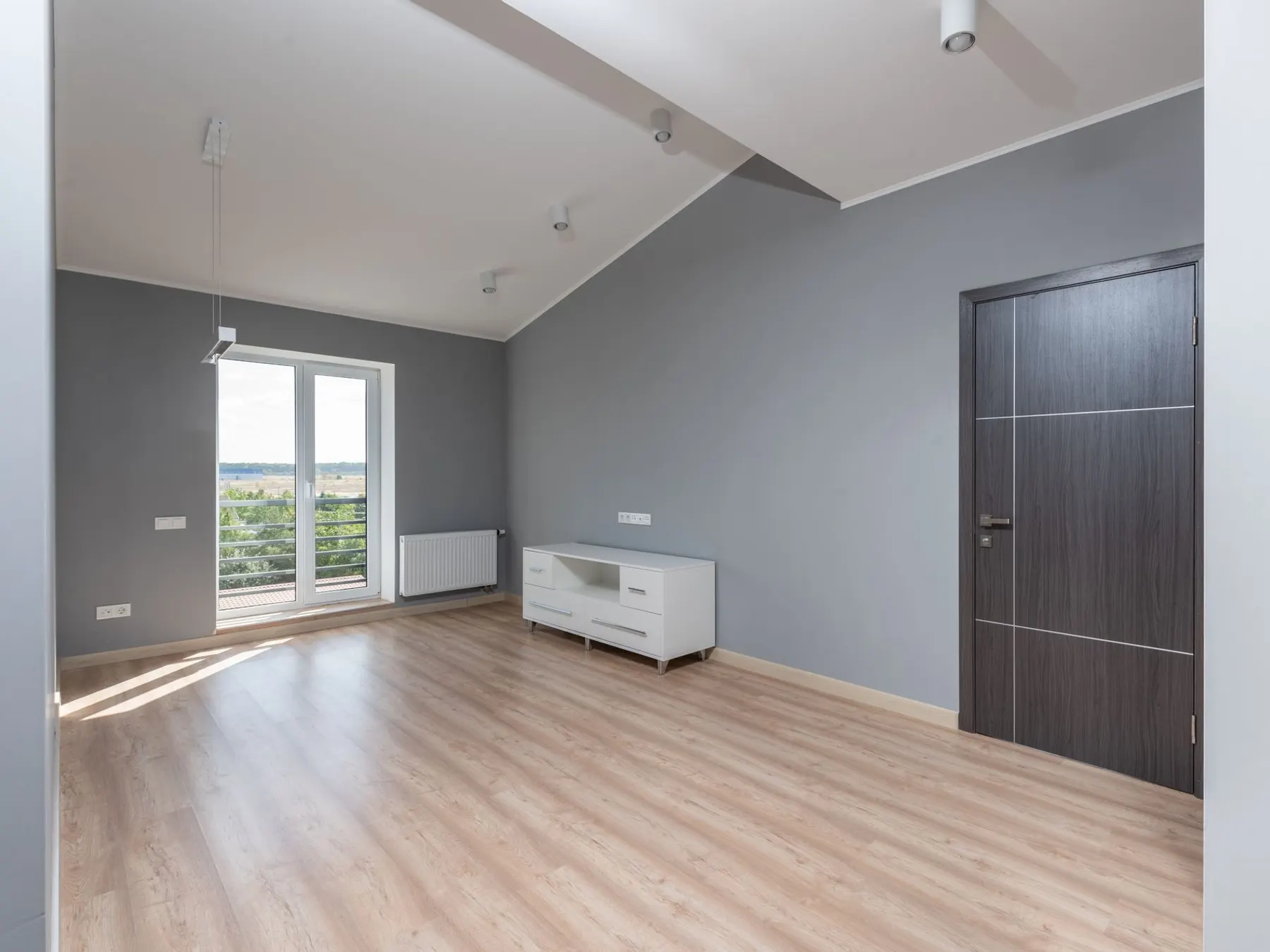
 PlasteringWall and ceiling plastering and skimming, from a single room to a full renovation.See Plastering →
Home / Services / Venetian & Polished Plaster
Venetian and Polished Plaster
Venetian and polished plaster decorative finishes for walls, plus microcement surfaces.
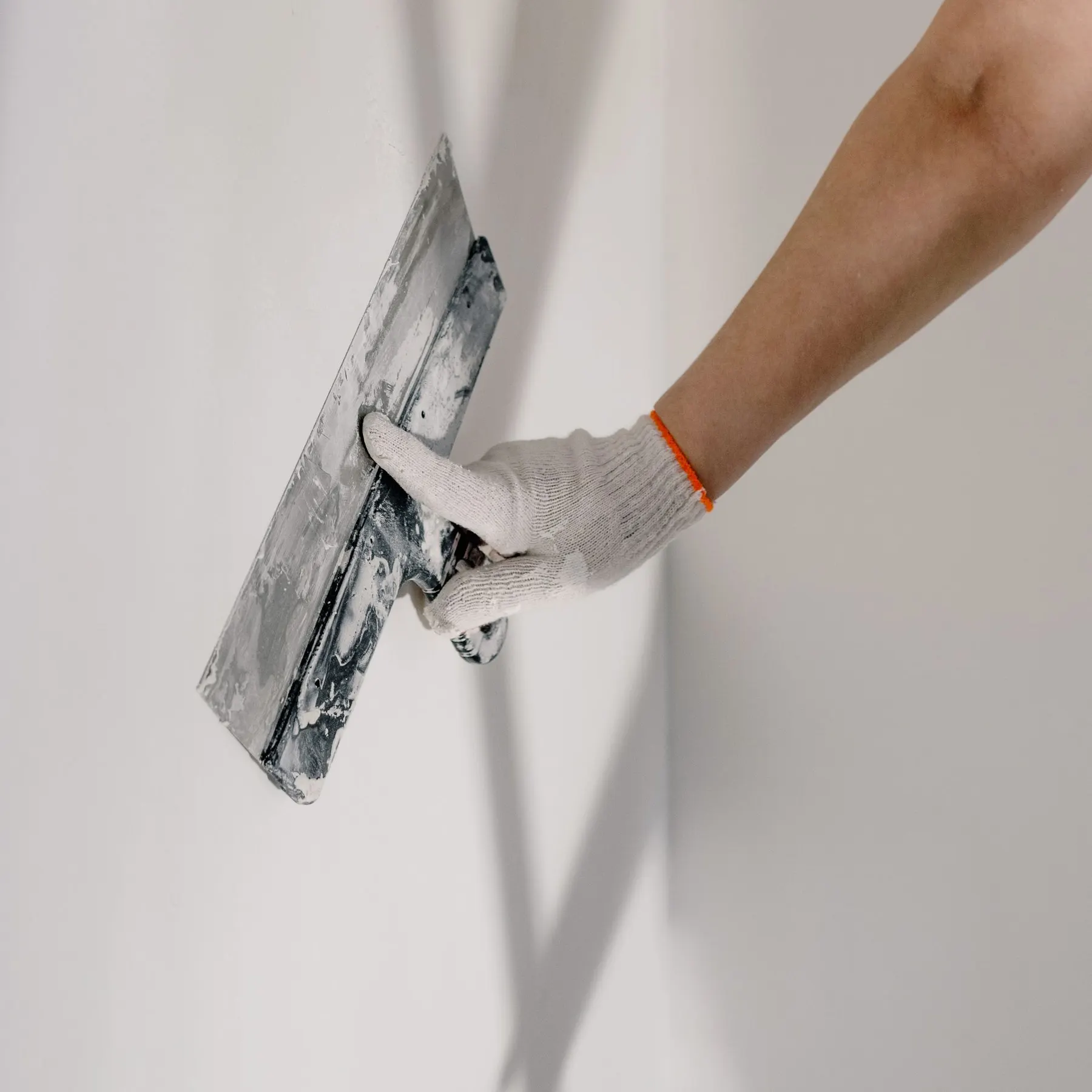
What we do on a venetian & polished plaster job
Venetian and polished plaster decorative finishes for walls, plus microcement surfaces.
- Interior and exterior plastering and rendering under one roof
- Specialist finishes alongside standard skim and render work
- Straightforward, no-obligation quotes
- Work planned around the property, not a one-size job
- Covering Bradford and the surrounding towns
What a venetian & polished plaster job involves
- Venetian Plaster Finishes
- Polished Plaster Applications
- Material Options and Surface Systems
- Cost Factors and Pricing Guide
- Design Styles and Sheen Levels
- Preparation, Installation and Sealing
Not every wall is meant to disappear under paint. Venetian and polished plaster finishes turn a wall or floor into the feature itself, giving a hand-worked surface with depth, subtle variation and a soft sheen that flat paint simply can’t replicate. Microcement extends the same idea to a smoother, more contemporary, joint-free surface.
What Venetian plaster is
Traditional Venetian plaster is built from thin layers of a lime-based or specialist polished plaster compound, applied with a trowel and burnished between coats to compact and polish the surface. Each layer is thin, and it’s the buildup of several of these, worked and polished as they go, that creates the characteristic depth and movement in the finish. No two walls look quite the same, since the technique responds to how each layer is worked. The result can range from a matte, stone-like texture through to a high-polish, almost marble-like sheen, depending on the product and the finishing technique used.
Microcement as an alternative
Microcement takes a related idea in a more modern, minimalist direction. It’s a thin cementitious coating that can be applied over walls, floors and even some existing tiled surfaces, creating a smooth, continuous finish without grout lines or visible joints. It’s become popular in kitchens and bathrooms where a clean, unbroken surface is wanted, though it needs the right sealing system for wet or heavily used areas.
How the job typically runs
Both finishes rely heavily on preparation, since the thin, often reflective nature of the coating shows up flaws in the substrate that a standard painted wall would hide. The base surface is prepared and primed to suit the specific product being used, then the coating is applied in multiple passes, with drying and burnishing or sealing steps between them. This is slower, more deliberate work than a standard skim. It’s a hand-finishing trade in its own right, and the quality of the final result depends heavily on the skill and patience applied at each layer.
What to expect
Expect a longer timeline than a standard plastering job, given the number of layers and the drying time needed between them. The finished surface is generally low-maintenance once complete, though care around sealing and cleaning products matters, particularly in wet areas or on floors.
Coverage
Venetian plaster, polished plaster and microcement finishes are available across Bradford and the surrounding towns, for feature walls, full rooms, or bathroom and kitchen surfaces. A look at the space and the finish you have in mind is a good starting point for a free quote.
Our work
Venetian & Polished Plaster and more, finished
A run of recent finishes across Bradford and the surrounding towns. Click any tile to open it full size.
Related services
Often booked alongside venetian & polished plaster
PlasteringWall and ceiling plastering and skimming, from a single room to a full renovation.See Plastering → RenderingExternal rendering to protect and refresh the outside of a property, in a finish to suit the building.See Rendering →
Questions
Venetian & Polished Plaster: common questions
What is Venetian plaster made from?
Venetian plaster is traditionally based on lime putty, sometimes with marble dust added, applied in thin layers and burnished to build up depth and a soft sheen. Modern polished plaster products vary, but the technique of building up and polishing thin coats is what gives the finish its character.
How is Venetian plaster different from a normal painted wall?
A painted wall has a flat, uniform surface colour. Venetian plaster is applied in multiple thin layers and worked by hand with a trowel, which creates subtle depth, movement and light reflection that paint alone can't produce.
What is microcement and where is it used?
Microcement is a thin, cement-based decorative coating that can be applied to walls and floors, giving a smooth, contemporary surface with no visible joints. It's often chosen for bathrooms, kitchens and feature walls where a minimal, unbroken finish is wanted.
Does a wall need special preparation before polished plaster goes on?
Yes, the base surface needs to be sound, flat and properly primed to suit the specific polished plaster or microcement system, since these finishes show up any imperfections in the substrate far more than a standard painted wall would.
Can Venetian plaster be used in a bathroom?
Certain polished plaster and microcement systems are suitable for wet areas when sealed appropriately, though the right product and sealing approach needs to be matched to how wet and how frequently used the room is.
How long does a Venetian plaster finish take compared to standard plastering?
It generally takes longer than a standard skim, since it's built up in several thin layers with drying and burnishing time between them, and the hand-finishing itself is a slower, more deliberate process than a normal trowel finish.
Need venetian & polished plaster priced?
Send a few details and we'll come back to you with a straightforward price. No obligation, no pressure.
Get your venetian & polished plaster job priced today.
Google4.9 from 30 reviews
- Free, no-obligation quotes
- Interior and exterior work by the same team
- Dust sheets down, site left clean every day
- Covering Bradford and the surrounding towns
Opening hours
Mon to Fri 8am to 5pm, Sat 8am to 1pmSubmitting this form is secure. We will never share your details with anyone else.
Coverage
Areas we cover
Roughly a 20-mile radius around Bradford, across West Yorkshire and the surrounding towns. Just outside? Get in touch and we will check availability.
Bradford
Shipley
Saltaire
Pudsey
Baildon
Queensbury
Wilsden
Cleckheaton
Bingley
Yeadon
Horsforth
Guiseley
Brighouse
Liversedge
Halifax
Heckmondwike
Rastrick
Morley
Batley
Burley in Wharfedale
Keighley
Otley
Leeds
Elland
Haworth
Mirfield
Dewsbury
Sowerby Bridge
Chapel Allerton
Ilkley
Huddersfield
Ossett
Lofthouse
Silsden
Horbury
Cross Hills
Glusburn
Wakefield
Meltham Mills
Meltham
Clayton West
Todmorden
New Mill
Garforth
Kippax
Skipton
Harrogate
Castleford
Darton
Colne
Littleborough
Wetherby
Featherstone
Royston
Boston Spa
Nelson
Wardle
Knaresborough
Penistone
Pontefract
Bacup
Milnrow
Burnley
Dodworth
Barnoldswick
Brierfield
Whitworth
Saddleworth
Uppermill
Bradford
Shipley
Saltaire
Pudsey
Baildon
Queensbury
Wilsden
Cleckheaton
Bingley
Yeadon
Horsforth
Guiseley
Brighouse
Liversedge
Halifax
Heckmondwike
Rastrick
Morley
Batley
Burley in Wharfedale
Keighley
Otley
Leeds
Elland
Haworth
Mirfield
Dewsbury
Sowerby Bridge
Chapel Allerton
Ilkley
Huddersfield
Ossett
Lofthouse
Silsden
Horbury
Cross Hills
Glusburn
Wakefield
Meltham Mills
Meltham
Clayton West
Todmorden
New Mill
Garforth
Kippax
Skipton
Harrogate
Castleford
Darton
Colne
Littleborough
Wetherby
Featherstone
Royston
Boston Spa
Nelson
Wardle
Knaresborough
Penistone
Pontefract
Bacup
Milnrow
Burnley
Dodworth
Barnoldswick
Brierfield
Whitworth
Saddleworth
Uppermill